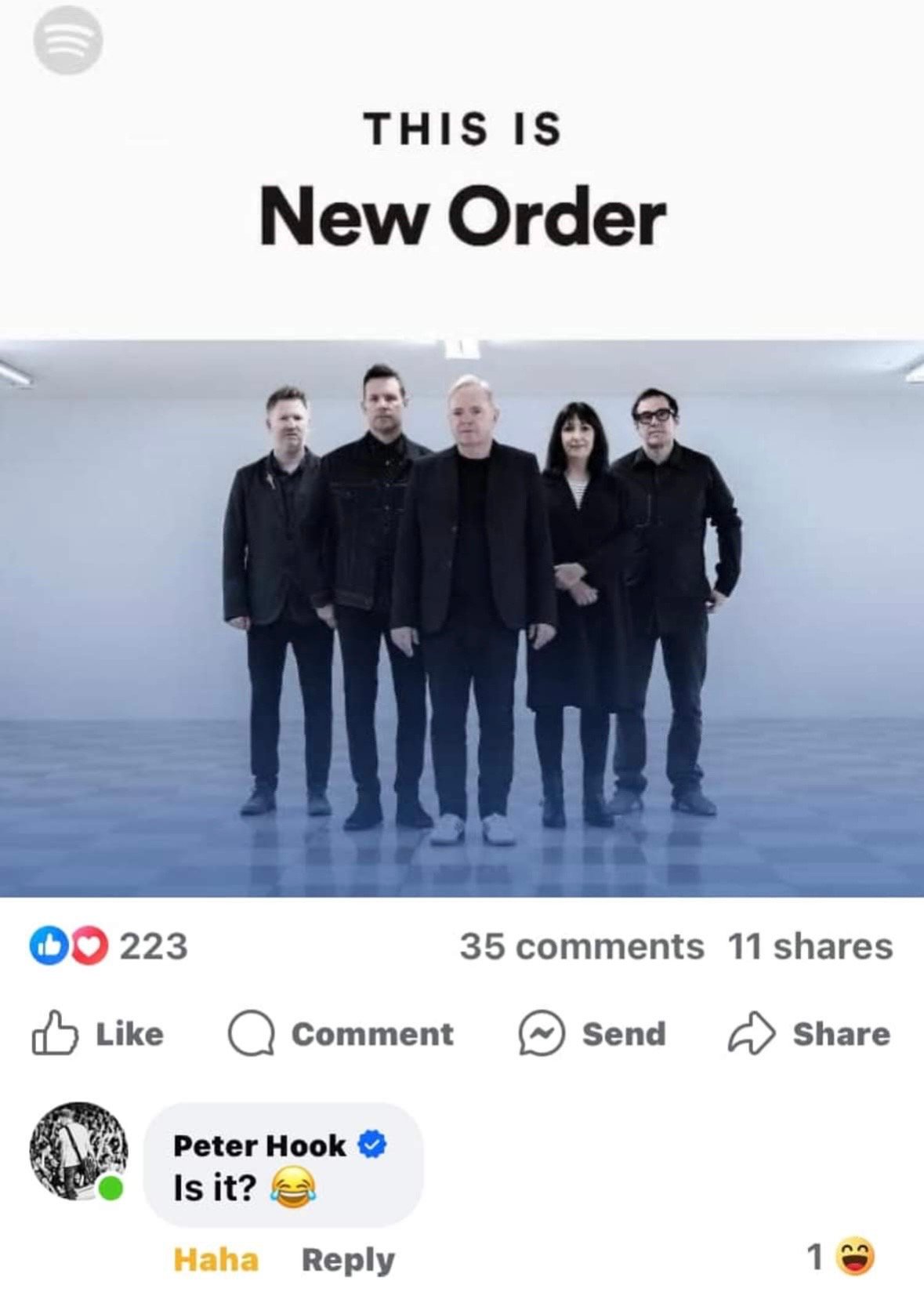
Joy Division began in the late 1970s in Salford, Greater Manchester, emerging from the post-punk wave that followed the collapse of punk’s first explosion. The band formed around guitarist Bernard Sumner, bassist Peter Hook, and drummer Stephen Morris, with Ian Curtis joining as vocalist. Curtis’s intense, emotionally raw lyrics and stage presence quickly became central to the group’s identity. Their sound—minimalist, dark, and atmospheric—set them apart from most of their contemporaries.
In 1979, they released their debut album Unknown Pleasures, produced by Martin Hannett. It was followed in 1980 by Closer, an even more haunting and refined record. However, just as the band was gaining international attention, tragedy struck: Ian Curtis died by suicide in May 1980, just before the band’s first planned US tour.
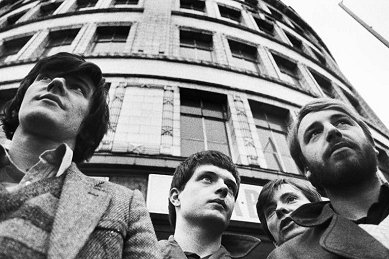
Rather than disband entirely, the surviving members—Sumner, Hook, and Morris—decided to continue making music, joined by keyboardist Gillian Gilbert. They renamed themselves New Order. While early expectations were that they would simply continue in the style of Joy Division, the group quickly evolved in a different direction, blending post-punk with electronic and dance influences. This shift produced influential albums like Power, Corruption & Lies and later iconic tracks such as “Blue Monday.”
The roots of the conflict
The long-running dispute—often described as the “beef”—between Peter Hook and the rest of New Order centers on money, credit, and control over the band’s legacy.
Peter Hook, who was the bassist in both Joy Division and New Order, left the band in 2007 after tensions escalated during recording sessions and touring. Hook later argued that he was excluded from key financial and managerial decisions, and that he was not receiving a fair share of royalties or transparency regarding the band’s earnings.
A major point of contention became the use of the New Order name itself. After Hook’s departure, the remaining members continued performing as New Order. Hook objected, claiming that the brand and legacy should not continue unchanged without him, especially given his foundational role in both Joy Division and New Order’s signature sound.
Legal and financial disputes
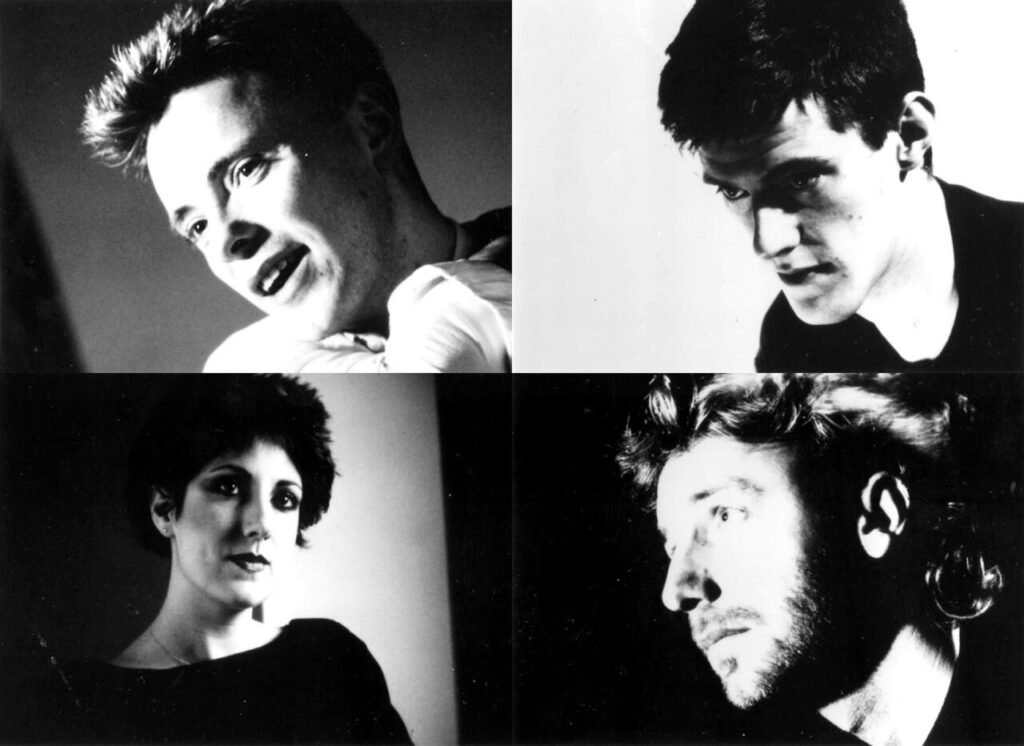
The conflict escalated into legal battles over royalties and accounting practices. Hook accused the band’s internal management structure of being opaque and unfair, while the remaining members—Bernard Sumner, Stephen Morris, and Gillian Gilbert—maintained that financial arrangements were properly handled and that Hook had been treated according to agreed contracts.
One of the key issues was the division of revenue from touring and merchandising, particularly as New Order’s popularity remained strong decades after their formation. Hook’s argument was not only about past earnings, but also about ongoing use of the brand and catalog without his involvement.
By around 2015, some of the legal disputes were settled privately, but public tensions remained, with Hook frequently criticizing his former bandmates in interviews and memoirs.
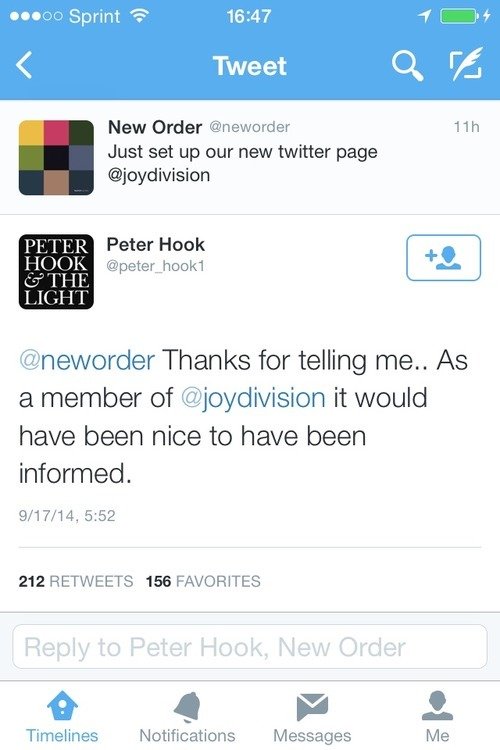
Creative and personal fallout
Beyond money, the split reflects deeper creative and personal fractures. Hook has often emphasized his role in shaping the distinctive bass-driven sound of both Joy Division and New Order, while the remaining members have highlighted their collaborative evolution, especially in songwriting and production after Curtis’s death.
The relationship has remained strained, with occasional public comments reigniting old grievances. Despite this, both sides continue to perform and celebrate the music that made them influential in post-punk and electronic music history.
In summary
The “beef” between Peter Hook and New Order is less about a single incident and more about decades of intertwined history: the aftermath of Joy Division’s tragic end, the reinvention of a band under a new name, and unresolved disputes over credit, money, and legacy. It’s a conflict rooted in one of the most influential musical transitions in modern British music.
Peter Hook’s relationship with New Order is one of those long-running band sagas where everyone involved would probably prefer a time machine—or at least a very well-timed group chat apology. It’s not just one argument, but a decades-spanning mix of musical pride, bruised feelings, and the occasional very public “I can’t believe they said that.”
“That bassline was kind of important, actually”
A big part of Hook’s commentary revolves around his bass playing. He’s been very consistent—some might say enthusiastically consistent—in pointing out that his high, melodic bass lines were a major ingredient in the sound of both Joy Division and New Order.
From Hook’s perspective, songs like “Blue Monday” and “Ceremony” aren’t just band efforts—they’re also carrying quite a lot of bass personality. And he’s made it fairly clear over the years that he thinks this contribution hasn’t always been given its due credit in the official storytelling.
Money: the unromantic subplot
Like many long-running band stories, things eventually drifted into the less glamorous world of finances. Hook has said more than once that he felt out of the loop when it came to how New Order’s income was being handled.
In his telling, it’s a bit like being told you’re still part of a team, while simultaneously discovering you’ve been quietly removed from the email chain. This eventually led to legal discussions and a very public split in 2007.
The great name debate
After Hook left, the remaining members continued performing as New Order. Hook wasn’t exactly thrilled about this. His argument, broadly speaking, is that if a band changes its lineup significantly, continuing under the same name feels a bit like “keeping the sign up while changing the shop entirely.”
The others, naturally, had a different view—leading to one of those classic rock disagreements where nobody is technically wrong, but nobody is letting it go either.
Interviews, memoirs, and musical memory
Over the years, Hook has kept the conversation going through interviews and books, often revisiting the same themes: credit, contribution, and the feeling that his role in shaping the band’s identity hasn’t always been fully acknowledged.
It’s less a sudden burst of anger and more a long, ongoing commentary track on the band’s history—sometimes reflective, sometimes sharp, and occasionally delivered with the kind of disbelief people reserve for group projects gone wrong.
The musical workaround
Rather than stepping away from the music entirely, Hook has taken a very direct approach: performing it himself with Peter Hook & The Light. The project has him touring full albums from the Joy Division and New Order catalogs, which he frames as a way of keeping the music alive in a form he feels closer to its original spirit.
It’s also, in a sense, his way of saying: “If we’re going to revisit this material, I might as well bring my bass along.”
In short
Peter Hook’s comments about New Order come down to a familiar mix in rock history: creative differences, financial frustration, and a long memory. He sees himself as a key architect of the band’s sound who wasn’t always properly credited, while the other side sees a collaborative evolution that didn’t always agree on how that credit should be shared.
Either way, it’s one of those music stories where the bassline is legendary, the emotions are still slightly unresolved, and the beef is never quite finished.