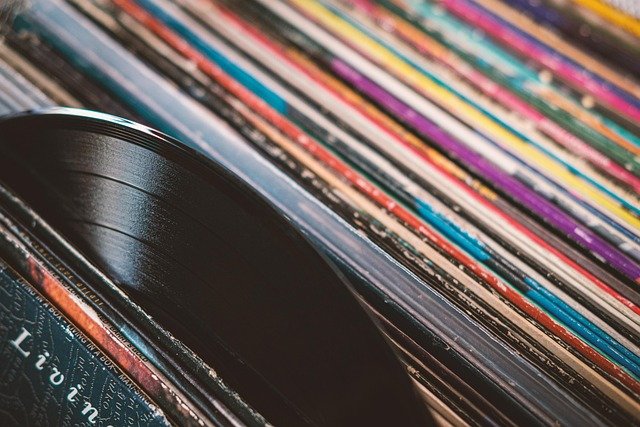
There’s a reason vinyl records still feel special in 2026, even as music becomes more frictionless, more personalized, and more invisible. A record demands attention in a way streaming doesn’t. It asks you to slow down, to participate, and to accept imperfection. But that charm, as enduring as it is, isn’t entirely innocent—or universally practical.
The appeal of slowness in a speed-obsessed world
Vinyl’s biggest selling point is also its most obvious one: it is inconvenient. You don’t “tap and go.” You commit. You select an album, handle it carefully, and listen in sequence.
In a culture built around infinite skipping and algorithmic curation, this feels refreshing. It forces a kind of discipline that many people interpret as “authentic listening.” But there’s a subtle contradiction here: vinyl doesn’t automatically make listeners more attentive. It just removes options. The focus it creates is partly aesthetic, partly mechanical, and not always as meaningful as it’s made out to be.
Warm sound—or just selective memory?
Supporters often describe vinyl as warmer or more “natural.” There is some technical basis for this perception—analog playback can produce a different dynamic profile than heavily compressed digital audio. But the romance around vinyl sound quality is often inflated.
In blind tests, many listeners struggle to consistently distinguish high-quality digital audio from vinyl. What people often prefer is not fidelity, but character—and sometimes even nostalgia disguised as preference. The “warmth” is as much cultural storytelling as it is acoustics.
The return of physical ownership—and its limits
Vinyl restores something digital music largely removed: ownership as an object. Album art becomes large again, records become collectible, and shelves become personal archives.
But this return comes with limits. Vinyl is expensive, fragile, and space-consuming. It is also increasingly shaped by market dynamics that prioritize limited editions, color variants, and “collector appeal” over accessibility. In some cases, what looks like a revival of music culture is also a revival of scarcity economics.
Ritual or inconvenience?
There’s a romantic narrative around vinyl as ritual: cleaning the record, placing the needle, flipping sides. For many people, that ritual is part of the enjoyment.
But it’s worth acknowledging that rituals are not inherently meaningful. Sometimes they are just work. The same qualities that make vinyl feel intentional can also make it impractical, especially in daily life where convenience is not a moral failing but a necessity.
The anti-algorithm argument isn’t fully clean
Vinyl is often positioned as an escape from algorithmic recommendation systems. That framing suggests vinyl listening is more “authentic” or self-directed.
But discovery doesn’t disappear—it just shifts. Instead of algorithms, vinyl culture is heavily shaped by gatekeeping, resale markets, influencer taste, and curated reissues. What feels like freedom from systems is often just entry into different ones, less transparent but equally influential.
Community, but also exclusivity
Record stores, collector forums, and vinyl fairs do create real community. They encourage discussion, shared enthusiasm, and musical exploration.
At the same time, vinyl culture can be quietly exclusionary. Rising prices, limited pressings, and hype-driven releases can turn listening into competition. The culture that celebrates music as physical and meaningful can also make it feel like a luxury good rather than a shared medium.
Imperfection as aesthetic—and as branding
Vinyl’s imperfections are often celebrated as part of its charm: the crackle, the pops, the mechanical quirks of playback. In moderation, these can indeed add texture.
But in 2026, “imperfection” is also a brand identity. Many modern vinyl releases are mastered digitally, pressed with high precision, and marketed using the language of analog authenticity. In other words, even the “imperfect” experience is often carefully manufactured to feel that way.
The paradox of revival
Vinyl’s resurgence is real, but it exists in tension. It is both a genuine listening alternative and a cultural object shaped by nostalgia, marketing, and status signaling. It encourages slower listening, but also thrives on hype cycles. It feels personal, but is often mass-produced for a niche market.
Why it still matters anyway
Despite all its contradictions, vinyl persists because it offers something that purely digital music struggles to replicate: a sense of presence. Not just hearing music, but physically engaging with it.
Even if some of its reputation is inflated, that experience still resonates. In a world where music can feel weightless and endless, vinyl gives it weight again—even if that weight comes with inconvenience, cost, and a fair share of mythology.